Amsterdam / The Netherlands
A city built around connections.
Canals, bridges and familiar streets. Amsterdam is a reminder that a good network starts with the people moving through it.
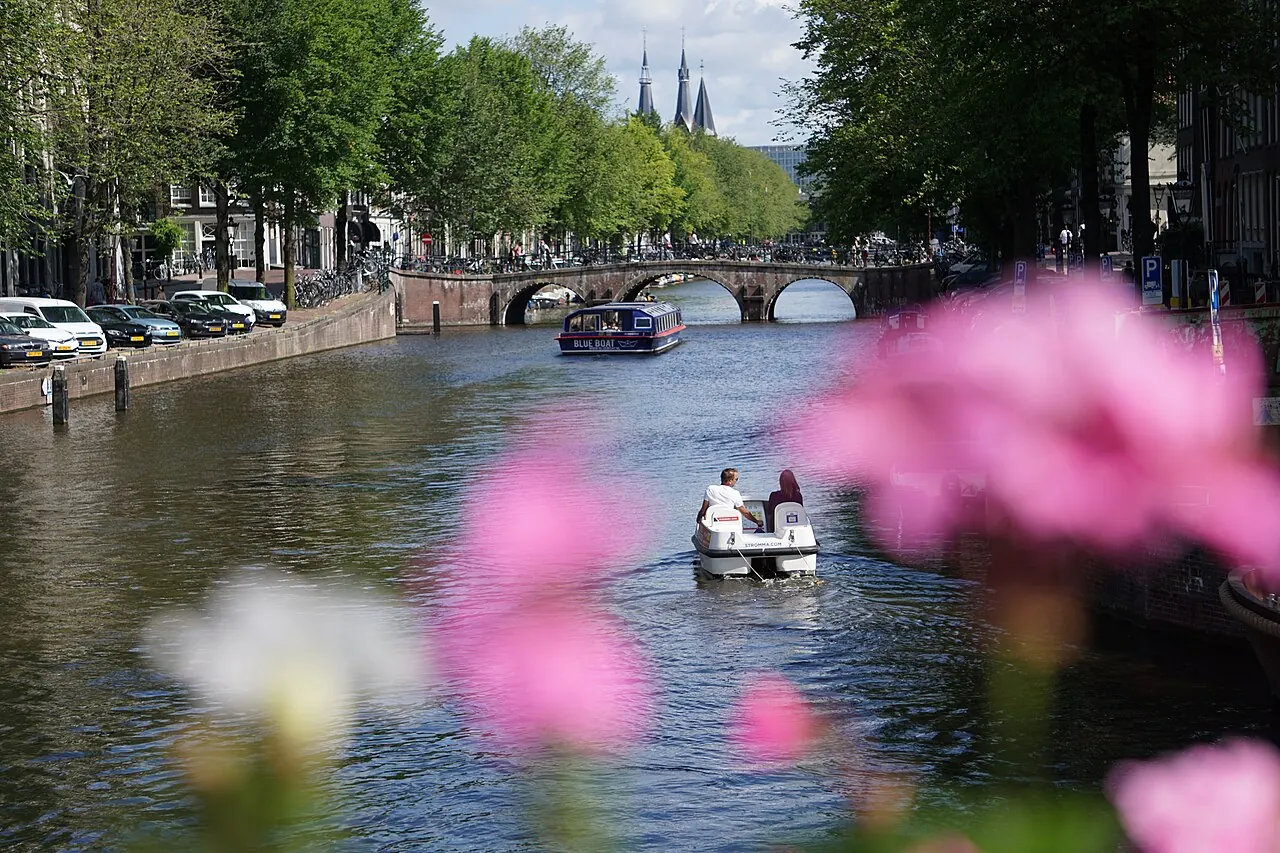
Follow the water
A canal is an unusually useful way to read a city. It gives a walk a direction, an open view and a natural pause at every bridge. In Amsterdam, the water also makes the gaps between streets visible. The route on a map is only part of the experience; the crossing, the towpath and the view in between matter just as much.
Try putting the phone away for a few minutes and following one stretch of water. Notice how the buildings change at corners, where people stop, and how a small bridge connects two very different streets. There is more to a connected place than the shortest route through it.
Look at the edges
The interesting details are often at street level: a narrow entrance, a bicycle leaning against a railing, a shop window reflected in the canal. These small interfaces make a large city feel understandable. They also offer a useful idea for digital design. A clear sign or a familiar control can do more than an elaborate explanation.
When planning a walk, leave room between the places on your list. A useful itinerary provides direction without filling every minute. The same is true of a good interface: it helps you move while leaving space to look around.
Carry less, notice more
Save a map before heading out and keep the address of your accommodation available offline. Then let the screen spend more time in your pocket. A photograph of one well-chosen detail can be a better record of a day than a folder of hurried snapshots.
Amsterdam rewards this slower way of exploring. Connections are everywhere, but there is no need to follow all of them at once.